A successful cider flight recommendation involves more than knowing what’s on the menu. It requires employees who understand the products, feel comfortable talking about them and have the authority to help guests find something they enjoy. Building that confidence starts well before an employee puts a flight or a pint in front of a guest. It takes intentional education, hands-on tasting, practical tools and a workplace culture that encourages employees to make recommendations rather than simply recite tasting notes.
At Talbott’s Cider, co-founder Charles Talbott believes the best conversations begin with listening.
“When someone asks for a recommendation or a flight, we encourage our staff to start with questions rather than answers,” he said. “What styles of beverages do you normally enjoy? Are you looking for something dry, refreshing, fruit-forward, or adventurous?”
That approach gives employees a starting point while making the guest part of the discovery process. Rather than overwhelming someone with cider terminology or listing every available option, staff can narrow the choices based on familiar preferences.
It’s also a way to make cider more approachable for people who might not know much about the category.
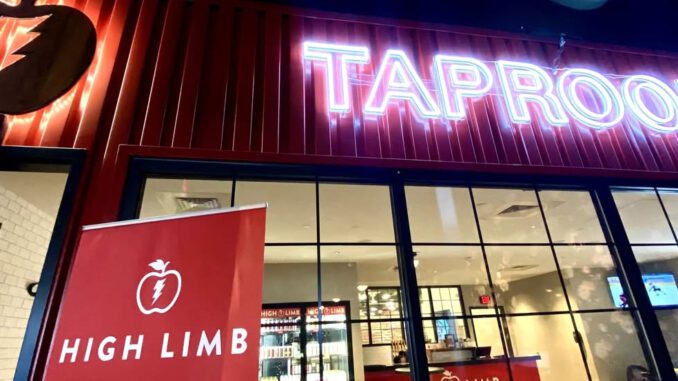
Jeremy Quaglia, founder and cidermaker of High Limb Cider in Plymouth, Massachusetts, takes that idea a step further by giving employees practical ways to translate cider characteristics into language guests already understand.
“If you like beer, Goldie. If you like wine, Core. If you’re eating oysters, Rock Juice. If you’ve never had cider, the OG. If you want dessert, or want something instead of dessert, the Freshly Baked line,” he said while explaining his portfolio of brands.
Quaglia said having those recommendations written down helps employees connect products with specific interests and occasions. It also preserves institutional knowledge when staff members leave. Now, employees don’t necessarily need to become cider experts overnight, but they do need to know how to make the product relevant to the person standing in front of them. That confidence comes from actually experiencing the products, not just reading about them.
At Benny Boy, co-founders Chelsey Rosetter and Benny Farber require bar staff to complete the American Cider Association‘s Level 1 Cider Guide Certification, establishing a baseline of category knowledge. The Los Angeles-based combined brewery and cidery also uses pre-shift training, tasting notes for new beverages and quarterly staff meetings centered on different tasting themes.
The founders said in an email to BREWER & Cider Business that staff members also enjoy exploring snakebite pairings, which combine beer and cider and encourage employees to think about flavor combinations.
“We focus on those the most, but everyone loves when a new or seasonal is added so they have something exciting to sample and share with guests,” they said.
Quaglia agrees that tasting should be a requirement rather than an occasional perk.
“They taste everything, with me, before they pour for a single guest,” he said. “Day one is the full portfolio and it isn’t optional. Nobody sounds confident describing something they’ve only read about, and guests hear the difference instantly.”
For smaller cideries without formal certification programs, the same principle can be applied through regular, structured tastings. Vinessa Karnofski, owner of Ilwaco Cider, allows employees to try anything being produced. Because staff members work near the production area and their responsibilities frequently overlap, they have opportunities to learn directly from the people making the cider.
For employees who don’t drink, Karnofski offers another avenue for participation.
“They can smell and talk about new profiles with the maker so they understand it better,” she said.
Talbott also encourages cideries to look beyond the tasting room when developing product knowledge. Even if retail employees can’t participate directly in production, orchard tours, farm visits and opportunities to meet growers can help them understand the ingredients and people behind the products.

“Those experiences build authentic ambassadors for your brand,” he said.
Still, knowledge alone doesn’t guarantee that employees will confidently use it during a busy shift. Managers also need to give staff a framework for making recommendations without feeling like they’re on their own. Quaglia provides a standard flight build, a consistent order and a default opening question for employees to use when guests aren’t sure what they want.
“A default isn’t a script and it isn’t a cage. It’s what you fall back on when the bar is four deep and somebody says ‘surprise me,’” he said.
That structure is particularly valuable for newer employees or during busy periods when there’s little time to think through every possible recommendation. It creates consistency without preventing staff from making personalized suggestions. Pairing recommendations also benefit from specificity. General statements about which foods work with certain ciders don’t necessarily give guests a reason to make a purchase.
“‘Pairs well with seafood’ is a shrug,” Quaglia said. “‘Get the Rock Juice with the oysters, it’s fermented on oyster shells’ is a sale.”
The difference is that the second recommendation gives guests a tangible reason to try something. It connects the product’s production process to the dining experience and makes the employee’s knowledge useful.
Quaglia also said they give staff the authority to replace a cider if a guest doesn’t enjoy it, without requiring manager approval or a negotiation.
“Let them be wrong, and let them fix it without asking,” he said. “That one permission does more for confidence than any amount of training, because somebody who knows they can’t lose will make a real recommendation.”
Giving employees that autonomy removes the fear of making the wrong choice and encourages them to move beyond the safest, most familiar pours. Quaglia also encourages staff to have personal favorites rather than offering diplomatic answers when guests ask for recommendations.
READ MORE: Where to Start in Creating a Food Pairing Menu?
Ultimately, empowering employees means treating the flight and pairing conversation as a skill that can be taught, practiced and improved. It isn’t simply about memorizing tasting notes or knowing which cider is dry or sweet. It’s about understanding the products well enough to connect them to individual preferences, explain why a particular pairing works and make guests comfortable exploring something new.
Quaglia said those same skills translate directly to retail sampling, where employees have even less time to make an impression.
“A demo table is a taproom bar with worse lighting and less time,” he said. The same questions, product translations and conversational approach apply, but employees have only one opportunity to connect with a potential customer.
When employees understand the product, have tools to communicate its value and know management will support their recommendations, they become more than people serving flights. They become an important part of how guests discover, understand and ultimately buy cider.