This is a part of a continuing series of Q&As with members of the brewing community from across the US. Brewer Magazine will share business and personal insights from Brewmasters, Head Brewers, Brewing Managers, Sales Directors, QCQA Managers and others each weekend to help you get to know each other better in the industry and learn more to better develop your own brand.
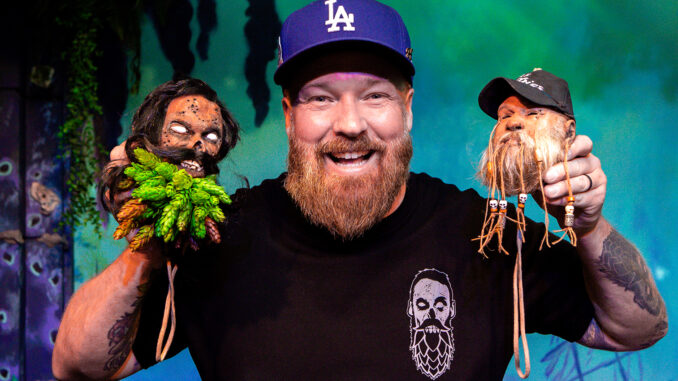
Chris Jacobs, Founder/Owner, Beer Zombies — Las Vegas
BREWER: What inspired you to start your brewery, and how has your original vision evolved over time?
JACOBS: I didn’t start Beer Zombies because I had some grand master plan to build a brewery empire — I started it because I loved beer, loved the culture around it, and honestly wanted to create a place that felt like home for people who were into the same weird, creative, community-driven stuff I was. I was just a dude obsessed with great beer, art, music, and building real connections with people. Beer Zombies was originally about creating something fun, different, and unapologetically ours — a place where you didn’t have to fit into the “craft beer stereotype” to belong. Over time the vision got bigger, but the heart stayed exactly the same. What began as a passion project evolved into building real brands, real spaces, and real experiences that people identify with — not just the beer, but the vibe, the events, the merch, the collaborations, all of it. We learned how powerful community truly is, and that shifted the mission from “let’s make cool beer” to “let’s build something people feel connected to.” Now the vision is about creating worlds around the beer — places where locals gather, where stories happen, where regulars turn into extended family. We’re still beer nerds at heart, but we’re equally focused on culture, creativity, and taking care of the communities that helped us grow. It’s gotten more ambitious over the years, but it’s still rooted in the same simple goal: make great beer and create spaces where people feel like they belong.
BREWER: What has been your most successful strategy for navigating challenges like rising ingredient costs or economic downturns?
JACOBS: Staying flexible and staying real with ourselves. Nothing about this industry is set-it-and-forget-it — you either adapt or you get left behind. When costs started rising, the biggest move wasn’t just cutting corners or jacking prices up — it was getting smarter about every part of the business. We tightened operations, looked hard at where money was leaking, renegotiated what we could, and became way more intentional with our purchasing and planning. But honestly, the biggest strategy has been leaning into direct-to-consumer and community. When the economy gets weird, you can’t depend on distribution or outside sales alone to save you — you have to have people who care about walking through your doors. Events, experiences, merch, membership drops — those things kept us steady when beer sales alone weren’t enough to carry it. We stopped seeing ourselves as “just a brewery” and more as an entertainment and community brand that happens to make beer. We also didn’t overextend chasing growth for growth’s sake. We’ve focused on building sustainable locations and products that move, rather than flashy expansion that adds risk. At the end of the day, adaptability, discipline, and staying connected to our customers has been the winning combo — because community always outperforms the economy.

BREWER: In the face of an evolving craft beer landscape, what significant changes have you noticed, and how has your brewery adapted to remain relevant?
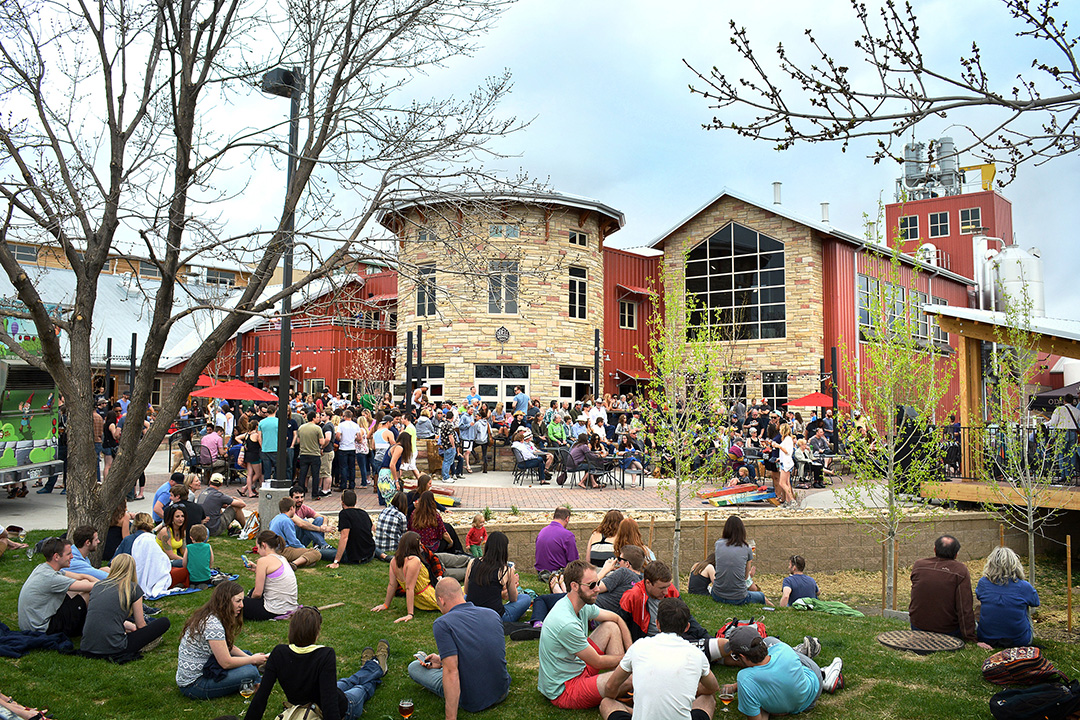
JACOBS: The biggest shift I’ve seen is that people don’t just want a “good beer” anymore — they want an experience, a story, and a place that feels worth showing up for. The market is way more crowded than when we started, distribution is harder than ever, and drinkers are more selective with where they spend their time and money. It’s no longer enough to just put a solid IPA on the shelf and hope it stands out. So we adapted by doubling down on what makes us different. Instead of trying to compete in the race for the most shelf space, we focused on creating destinations — taprooms people want to visit, events they look forward to, limited drops that feel special, and collaborations that excite the community. We built our brand around culture as much as beer: art, music, sports, and that whole punk-rock DIY energy that connects people beyond what’s in the glass. We’ve also stayed nimble with our beer program — no being stuck in one lane. We still respect classic styles, but we’re not afraid to push creativity, do small-batch weird stuff, or chase flavor trends when it makes sense. Staying relevant for us has been about staying curious, listening to our customers, and remembering that breweries don’t survive by being the loudest — they survive by being the most authentic and connected to their people.
BREWER: What are you sippin’ on right now from your brewery that you really enjoy?
JACOBS: Honestly, I always bounce around depending on the day, but right now I keep finding myself going back to our core stuff especially Zombie Duck Hunter IPA and Boomstick Blonde. Duck Hunter is my go-to when I want something crisp, hoppy, and super dialed without being heavy. It’s just one of those beers that reminds me why I fell in love with West Coast IPAs in the first place. And Boomstick has become the ultimate easy drinker clean, light, and stupidly crushable. Long day at the brewery, sitting down for the first sip… that’s the one I grab. But if I’m feeling weird and creative, I’ll reach for whatever limited or experimental thing we have on tap that week. That’s still the most fun part for me, pouring something new, seeing people’s reactions, and knowing we’re still pushing ourselves after all these years.
READ MORE: Shaping the Year Ahead: Expert Outlook 2026
BREWER: What trends in the craft beer industry do you think are worth investing in over the next few years?
JACOBS: I think the biggest investment worth making isn’t a specific beer style, it’s the experience. The breweries that are going to win are the ones that operate more like community hubs and entertainment spaces than just production facilities. People want places to belong. They want events, personality, something they can connect with. Beer is the entry point, but the experience is what keeps people coming back. On the beer side, quality and drinkability are making a huge comeback. After years of chasing extremes I think we’re seeing drinkers settle into appreciation for clean, well-made, flavorful beers you can actually have more than one of. Lagers, Pilsners, lighter IPAs, and balanced styles are huge. Beer that respects the craft again. I also think limited releases plus scarcity done right will continue to work when they’re authentic, not forced hype, but beer people actually look forward to it because they trust your quality. And collaborations still matter, but only when they feel real and not transactional. Beyond beer, merch and lifestyle branding is massive. Wearing a brewery’s logo, collecting glassware, showing up to themed events that sense of being part of something is huge. The future isn’t just selling pints, it’s building brands people want to live with outside your walls. At the end of the day, the breweries that invest in community, consistency, and creativity, not just chasing trends are the ones that will still be standing in five years.