


Many brewery taprooms have long leaned on ambiance as a competitive advantage, and music often plays an outsized role in shaping how a taproom feels to a customer. Yet behind the seemingly simple question of “What should we play today?” sits a mix of branding decisions, licensing obligations and hard-earned lessons about live entertainment that many brewery owners continue to navigate.
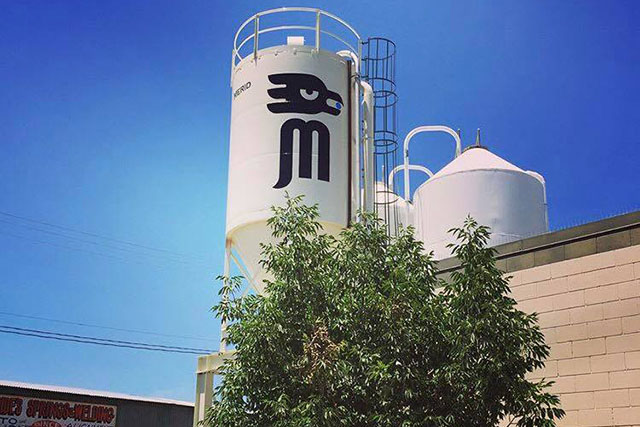
At Magnanimous Brewing, founder and President Michael Lukacina sees music selection as something best guided by the people closest to the moment.
“We allow the tap room employees to choose music to set the vibe that they think is conducive to the current mood of the tap room,” he said. The approach is fluid and responsive rather than built around rigid playlists, giving staff the freedom to match slower afternoons, weekend crowds or special events with what feels right in the room.
Honolulu Beerworks takes a similarly flexible stance. Co-founder Charmayne Malloy, who helps oversee taproom operations, said the music starts with something as simple as “How do you feel that day?”
With a wide appreciation for genres, the brewery relies on Pandora for Business to simplify streaming and ensure it remains properly licensed. That service, however, only covers recorded music.
Live music is a different arena entirely.
While breweries often treat music as a branding tool, few attempt to measure its financial payoff in hard numbers. Lukacina said any ROI is intangible.
“I feel like there is no way to directly measure this, but as long as the staff and the customers are enjoying themselves you are doing it right,” he said. For breweries wrestling with the cost of licensing fees or equipment, that perspective highlights a reality: the impact of music may be felt more in customer behavior and dwell time than in easily quantifiable sales bumps.
Licensing remains one of the areas where breweries find themselves learning fast.
Magnanimous uses a commercial music service that handles ASCAP, BMI and SESAC compliance. Live music introduces additional obligations, so they take a strict approach. Lukacina said the brewery avoids cover songs altogether.
“If we have live music, we make sure to the artist that we do NOT allow cover songs and will only allow them to play if they are able to only perform their original material,” he said. The policy has helped fend off unnecessary fees, even when performance-rights organizations attempted to collect.

“We have had BMI and ASCAP try to charge us for having live bands, but our attorney explained to them that we do not allow or hire cover bands,” he said.
Honolulu Beerworks has taken a different path after years of trial. The brewery once offered live music regularly but eventually pulled back. Malloy said breweries shouldn’t underestimate how closely licensing groups monitor performances.
“Know that if you do have live music and you do not pay BMI or SESAC they will contact you. They got ears everywhere,” she said.
Costs scale based on frequency of live music and square footage, and the brewery found that only a handful of bands meaningfully boosted sales.
READ MORE: Weaving Through the Laws of Music in a Taproom
While having “everyday background bands” created an atmosphere, it wasn’t driving revenue. The brewery found greater value in booking specific genres for targeted events once or twice a month instead of maintaining a constant calendar.
The experiences of these breweries underscore a few practical truths. Music is undeniably part of a taproom’s personality, but it’s also a business decision. A curated playlist, staff-selected tracks or occasional genre-themed nights may accomplish more than a daily lineup of musicians, especially if the latter brings licensing expenses that aren’t offset by sales. And for breweries offering live music, clarity on original material versus cover songs can determine whether a taproom stays compliant or finds itself fielding calls from performance-rights groups.
Whether leaning heavily into staff curation, rotating playlists or tightly managed live performances, breweries are still learning how to make music a benefit rather than a liability. What’s clear from those who’ve experimented is that ambiance alone doesn’t guarantee profits, but a smart, compliant and intentional music strategy can help align the taproom mood with customer experience and keep operations running smoothly.
Be the first to comment