This is a part of a continuing series of Q&As with members of the brewing community from across the US. Brewer Magazine will share business and personal insights from Brewmasters, Head Brewers, Brewing Managers, Sales Directors, QCQA Managers and others each weekend to help you get to know each other better in the industry and learn more to better develop your own brand.
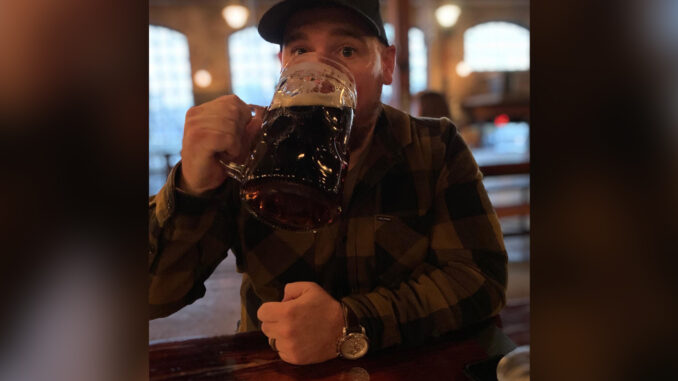
Matt Hynes, Vice President of Operations, Toms River Brewing — Toms River, New Jersey
BREWER: How does a typical day in your role look, and how do you balance operational demands with fostering a positive team environment?
HYNES: The average day consists of coordinating with the sales team what styles/brands are needed, inventory of packaged goods and raw materials for upcoming brews or projects we have coming up, recipe development with the brew team and of course systems maintenance so that we can try to mitigate any hiccups. There’s always a hiccup somewhere in a brewery as we all know. My approach to fostering a positive team environment is communication; without communication it all falls apart, when team members aren’t communicating the creative juices stop flowing and fractures in an otherwise cohesive environment can begin to spur.
BREWER: Are there any recent accomplishments for the brewery you want to tout and how is it going to improve your business going forward?
HYNES: At Toms River Brewing, we are very proud to have extended our partnership with the New Jersey Devils professional hockey team, we brew for their them and the fans Stick Toss a Kõlsch-style Ale that is very approachable for everyone to enjoy; light, crisp while showcasing plenty of great malt character.
BREWER: What have you found to be the most effective way to handle customer feedback, both positive and negative?
HYNES: It’s easy to be positive about positive feedback, but even with negative feedback there should still be a positive approach to that as well and not reactionary. If there is a flaw we want to know about it; is it something we did, was the beer stored properly, knowing as much detail as possible to take corrective measures moving forward so that every experience with our products are positive experiences.

BREWER: What first drew you to the industry, and what keeps you passionate about being part of it today?
HYNES: I had been interested in beer for quite a while. Honestly, in high school there was a Modern Marvels episode on the history channel about beer production, and I found it very interesting but never really told anyone I was interested. Fast forward to a few years later I was serving on active duty in the United States Navy Seabees, stationed in Southern California where of course you’re inundated with great craft beer, I started talking to more folks at bottle shops and breweries where I felt like I was getting to see behind the curtain a bit. Becoming more and more fascinated with the possibilities within craft beer as not only a unique means of imbibing but a vehicle for exploration. Each style was it’s own rabbit hole of historical reference, an abundance of creative possibilities but also the structured molecular side of it as well. What keeps me passionate about brewing today is still the community, the history and creativity that is enveloped in brewing, there’s new ingredients with potential to generate the next sought after style or a twist on a style that hasn’t been given much love in a while.
BREWER: What are you sippin’ on right now from your brewery that you really enjoy?
HYNES: Currently, I have been sipping on “Hibernian,” our Dry Irish Stout on nitro. The balance of pale chocolate, touch of the roasted barley, balanced out with golden promise as the base an then creamy smooth texture from the nitro, it’s been the move for these cooler days.
BREWER: What’s one piece of advice you’d give to new managers stepping into a role similar to yours?
HYNES: One big piece of advice I would give someone stepping into an operations manager role would be to always be accountable to your team. It goes hand-in-hand with communicating but being accountable for the calls you have to make, if you hold yourself accountable than that trickles down to the team which in the end makes for a creative and comfortable space for your team to thrive.