For breweries that are just starting out, a sharp logo and a lineup of trend-forward beers can feel like the hardest part of building a brand. But industry leaders say those elements are only table stakes, and relying on them alone is one of the fastest ways to blend into an increasingly crowded market.
Urban South’s Kristin Marshall said visual identity and style awareness matter, but they do not create loyalty on their own.
“A cool logo is a must, and staying on trend is always wise,” said the New Orelean’s Marketing Director, “but to achieve that loyal following, it’s necessary to take an omnichannel approach to building relationships and telling your story.”
She added that social media posts showing beer releases cannot be a brewery’s only strategy.
That broader view of branding is echoed across the industry.
Short’s Brewing’s Christa Brenner framed branding less as a marketing function and more as the sum of every interaction a customer has with the business. A logo and popular styles may be enough if a brewery plans to rely entirely on distribution and has significant capital to support it, but that scenario is increasingly rare.
“Your brand is everything you do from the start to the end of the consumer journey — from your online experience to the cleanliness of your bathrooms to the friendliness of your staff,” she explained to Brewer. “Brands are built by showing up and by doing your best by your community.”
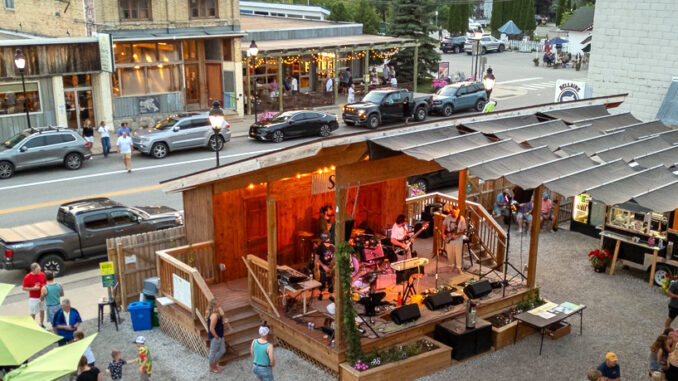
Marshall said the taproom is often where that journey becomes real. At Urban South, the focus has been on embedding the brewery into the fabric of its neighborhood through local collaborations, free weekend events, recurring niche programming and staff who are both friendly and knowledgeable.
“Establish your taproom in your community,” Marshall said, noting that dependable beer quality has to underpin everything else. To drive awareness, she said the team uses whatever channels are available, from community calendars and social media to flyers and word of mouth, to get people in the door.
That same philosophy extends beyond the brewery walls. Marshall said participating in local festivals, hosting tap takeovers and trivia nights at bars, and maintaining a steady tasting schedule at grocery stores have all helped Urban South reach new audiences.
“We’re able to introduce our brand firsthand to new audiences and demographics, and that really makes an impression,” she said.
For Union Craft Brewing, passion and authenticity play a central role in that outreach. Chris Attenborough, director of creative engagement, and Jenna Dutton, marketing and design manager, said brands resonate most when they are rooted in what the team genuinely cares about.
“Follow your passion,” they wrote. “You’ll connect with the other nerds who love what you love.”
Following those interests helps attract customers who share them, creating a natural connection that feels earned rather than manufactured.

Jack Dyer of Topa Topa said that long-term clarity matters more than short-term aesthetics. Establishing core values and a clear “why,” he said, will carry a brewery further over time than a great logo paired with great beer.
“This business is a marathon not a sprint,” he noted.
Marshall said storytelling is another area where young breweries often underestimate the work involved. While hiring a public relations firm may be out of reach early on, she said developing relationships with local news outlets can be a powerful way to share a brewery’s story and stay top of mind with a broader audience. Even modest coverage can introduce a brand to thousands of potential customers at once.
Social media, she added, remains one of the most effective low-cost tools when used intentionally.
“Maintaining a steady stream of relevant, entertaining, informative, and engaging content is important to staying top-of-mind for your audience,” Marshall said.
READ MORE: Does the Idea of Your Brewery Match the Marketing?
She emphasized the importance of two-way communication, noting that Urban South responds to nearly every comment and direct message. Influencers can be divisive, she said, but building relationships with locally influential people has proven valuable when those partnerships are authentic.
Merchandise is another often-overlooked extension of brand identity. Marshall said simply placing a logo on a shirt can work, but distinctive designs tied to popular beers or local events tend to sell faster and get worn more often.
Urban South has leaned into seasonal and culturally specific designs, creating items connected to crawfish season, Mardi Gras and football, alongside subtler logo placements. She said not every piece needs to function as a billboard, and unique items such as rope hats, dog accessories, socks, button-down shirts and baby onesies have helped broaden appeal and keep the brand visible in everyday life.
As noted by many, branding is not a single decision made at launch, but an ongoing practice. From values and passion to community involvement and consistent execution, the strongest brands are built deliberately and over time. It means going well beyond the logo.