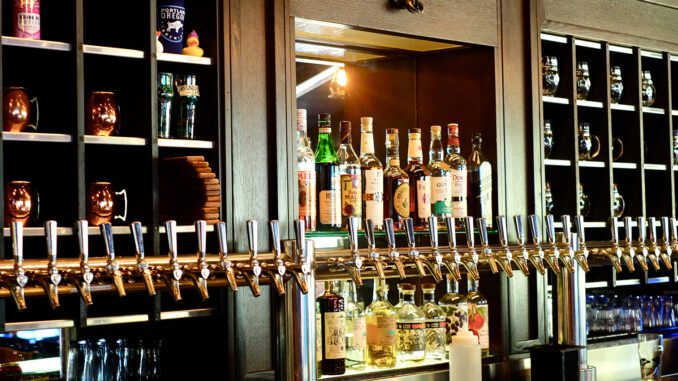
Offering cocktails and wine alongside your brewed in-house beer can expand a customer base without sacrificing the brewery’s identity. The key is making those additional options a reason to bring more people through the door, not a distraction from the beer that sets the business apart.
At Von Ebert’s Glendoveer location, District Manager Rachel McBride sees a full-service bar as a way to accommodate different preferences while keeping the brewery’s own products front and center. The strategy relies on deliberate menu design, staff education and beverage offerings that complement the beer program.
“Having a separate list featuring all our beer offerings with descriptions is very helpful in making Von Ebert’s beers the focal point,” McBride said.
That distinction matters for any brewery looking to add a kitchen or brewpubs considering a broader beverage program. A comprehensive drink menu can make the establishment more appealing to groups with different tastes, but it can also make the house beer harder to discover if cocktails and spirits receive more prominent placement. A dedicated beer list gives the brewery space to explain its offerings and encourage exploration. Rather than expecting guests to navigate a crowded menu, you can make their beer selection easy to find and understand. Tap-list placement, descriptions and table-level promotions can reinforce that message throughout the visit.
Von Ebert also uses its front-of-house team to create a more active connection between guests and the beer lineup. Staff members focus on a beer of the day or week, giving employees a reason to taste the product, revisit its characteristics and discuss it with customers.
“We’ll very purposefully communicate and educate around a beer of the day or week,” McBride said. “This gets the whole team talking about a specific beer, tasting it (or retasting it) and getting it on their mind and sharing that with customers.”
A beer’s presence on the tap list doesn’t guarantee that customers will order it. Staff recommendations can help turn an overlooked release into a conversation, particularly when employees have firsthand familiarity with the product. That doesn’t require an elaborate training program. A consistent weekly focus can help your staff learn the beer’s defining characteristics and identify the customers most likely to enjoy it. Table cards highlighting beer specials and happy hour promotions provide another opportunity to generate interest when employees aren’t available to make a recommendation.
A full-service bar can also serve as a bridge to the brewery’s core product. Instead of treating cocktails and spirits as competing categories, Von Ebert incorporates its beer into some of those offerings.
“Seasonally we try to have at least one cocktail on our list that features one of our drafts,” McBride said, citing Micheladas made with Mexican Lagers or smoked beers and a Stout cocktail during the winter months. The brewery also offers the classic shot-and-beer combination, which can introduce its beer to customers who might otherwise order only a spirit.
These combinations create a way to market your beer to people who identify more closely with cocktails. They also give the beverage program a distinctive element that a conventional bar may not offer. The goal isn’t simply to add more drinks to the menu, but to create connections between the additional offerings and the brewery’s own production.

Still, a broader menu only creates value if it helps the business attract or retain customers. McBride said Von Ebert’s strategy recognizes that not everyone in a dining or social group wants beer.
“The way we like to look at the other options is that they give people more reasons to come in than just beer and keeps a group with a non-beer drinker staying longer,” she said.
That can mean winning business from an entire party rather than losing a visit because one person doesn’t drink beer. Local wines or ciders, nonalcoholic beverages and a limited cocktail selection can accommodate different preferences without requiring an expansive spirits inventory or an overly complicated menu.
The distinction is important for smaller operators weighing the costs of a full bar. More choices can broaden a brewpub’s appeal, but each additional category also introduces purchasing, inventory, training and service considerations. A focused selection that serves a clear customer need may be more practical than trying to compete with a dedicated cocktail bar across every category.
Von Ebert’s experience with Clubhaus, its American Light Lager, also illustrates how beverage strategy can respond to changing customer economics. As brewing input costs climbed and customers became more price-sensitive, the brewery introduced the crisp, clean Lager with affordability in mind. During its first year, the beer was priced at $3 for a 20-ounce mug, all day, every day, across the company’s three locations.
READ MORE: Blending Beers, Boosting Profits: Why Breweries Are Betting on In-House Mixology
“We found people stick around for another,” McBride said. It illustrates how a carefully chosen value offer can support longer visits and additional purchases. The beer also earned gold medals, demonstrating that an accessible price point doesn’t have to mean abandoning product quality. However, you should evaluate such promotions against actual margins and purchasing behavior rather than assume a low price automatically drives profitable repeat orders. Tracking sales volume, additional purchases, visit duration and the effect on higher-priced beers can help determine whether a value offering is delivering the intended return.
Ultimately, a full-service brewpub doesn’t have to choose between serving beer enthusiasts and welcoming customers who prefer something else. The opportunity lies in designing the beverage program so those objectives reinforce one another.
“Feature your product first and foremost with menu lists and beer boards that draw the customer’s eyes when they first walk in,” McBride said. That means defining the role of every beverage category, training staff to sell the house product and measuring whether promotions lead to meaningful customer activity. A broader bar program can bring new guests through the door. A deliberate beer strategy gives them another reason to return.