The biggest marketing lesson isn’t about finding the latest social media trend or spending more money on advertising. Instead, centering on understanding your local community first, then building promotions that fit the way customers already live, gather and discover new places can be paramount for any cidery. That philosophy begins with recognizing that education itself can be one of the strongest marketing tools.
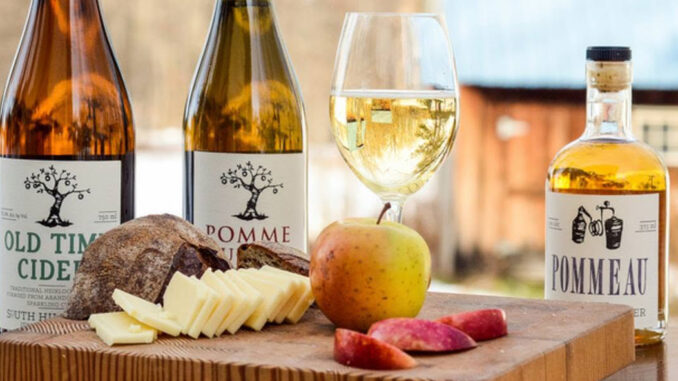
For Shaunessy Bordas, general manager of South Hill Cider, introducing guests to cider is often the first step toward creating repeat customers. Located in New York’s Finger Lakes region, South Hill leans into guided tastings that borrow heavily from the area’s established wine culture.
“We very much approach it. We talk about our cider like wine, but with apples instead of grapes,” Bordas said at the 2026 CiderCon panel on tasting rooms.
The tastings aren’t simply another revenue stream. They’re designed to overcome misconceptions that many consumers bring through the front door.
“People come in and they’ve had one type of cider … but it’s sweet,” Bordas said. “People come in, they’re like, ‘I don’t like cider.’ And we’re like, ‘Okay, well, I have something for you.'”
It’s a reminder that taproom marketing doesn’t always begin before guests arrive. Creating memorable educational experiences inside the tasting room can generate stronger word-of-mouth than traditional advertising because customers leave with a new understanding of the category.
Bordas also pointed to another inexpensive tactic that keeps South Hill top of mind year-round: supporting a local independent radio station.
“They’re talking about thanking their sponsors, and South Hill Cider is named throughout the day on the radio station,” she said about the radio announcers. “The cost to do this is pretty minimal… it’s kind of a low-hanging fruit and an easy way to just have your name in people’s daily experience.”
She applies the same practical mindset to events by making sure every festival, live music night or special release appears on local tourism and community calendars.
“It’s going into their (consumers) email box,” Bordas said, noting that organizations like local tourism bureaus often maintain newsletters and event listings that reach residents already looking for something to do.
Chris Leimena, the taproom general manager for Bauman’s Cider, said one of the biggest mistakes businesses can make is becoming too rigid in how they promote themselves. Instead, he encourages cideries to remain open to experimentation.
“It’s important to be open to doing new things,” Leimena said. “You kind of have to try and occasionally fail to find what works and what doesn’t, especially when you’re new.”
That willingness to experiment also applies to marketing investments. While not every cidery has the budget for a public relations agency, Leimena believes professional media outreach can dramatically expand awareness when resources allow.
“There are people who are trained to get you out in the world,” he said. “We were lucky to get write-ups… and that really changed the nature of what we were doing in a positive way.”
If you don’t have a dedicated PR budget, look to create relationships and consistency that can often accomplish similar goals.
Leimena described regularly messaging a well-known Portland-area food influencer whenever Bauman’s hosts a pop-up or special event.

“I’ll always just send him a message that we’re doing it, and he reposts it every time,” Leimena said. “It’s free… and that’s invaluable.”
Caitlin Braam, founder of Yonder Cider, offered a similar approach for working with local media. Rather than spending hours pitching every publication individually, she recommends strategically tagging journalists or publications in relevant event posts.
“If you post about an event, tag them in the event,” Braam said. “It’s a good way to target the outlets that are going to be interested in that specific thing.”
She stressed that cideries should match the media outlet to the announcement, recognizing that a cider writer, restaurant reporter and community events editor all look for different types of stories. Social media remained a recurring theme throughout the panel discussion, but not simply because every business is expected to maintain an online presence. Instead, all three emphasized using platforms intentionally and measuring what actually motivates customers.
“I think social media is just so important,” Leimena said. “People seeing what you’re doing… if we have a new dish, we post it on Instagram. People come in for that. It’s instant feedback.”
He added that you should learn from engagement metrics instead of posting blindly.
“You can look at the post and see what’s being seen and what’s not… and find a way to really leverage social media for the positive.”
Braam cautioned against assuming every market behaves the same way online. Yonder operates taprooms in two very different communities, forcing the company to build separate marketing strategies rather than duplicating the same playbook.
“The same thing is not going to work for both of them,” Braam said. “You’ve got to be really in tune with your community, who’s coming to your space and what they’re looking for.”
At the company’s Ballard location in Seattle, frequent regulars are motivated by new cider releases.
“They want to know what’s new on tap,” Braam said. “They’re coming in consistently.”
In the Cashmere area, however, residents are looking for reasons to gather rather than constantly changing beverage menus.
“They want events. That’s all they want,” Braam said. “They want bingo. They want trivia. They want costume contests. They want live music.”
Perhaps the most important lesson for any cidery is that listening to customer behavior should drive marketing decisions instead of making guesses as to what they might want.
READ MORE: Are Your Consumers Asking for Food?
“It’s really important… knowing what your customer is saying,” Braam said.
That local knowledge even extends to platform selection. While Instagram drives engagement in Ballard, Facebook remains significantly more effective in Cashmere, leading the team to promote events differently at each location.
For event marketing, Braam recommends beginning promotion at least two weeks in advance to allow time for multiple touchpoints.
“It gives you time to put lots of posts up, collaborate, and get people excited,” she said. “Don’t forget to remind them over those two weeks. It takes three times for it to stick in people’s minds. Once is never enough.”
Taken together, the panel’s advice reinforces a broader business principle that applies well beyond cider. Effective local marketing isn’t about finding one perfect tactic. It’s about layering affordable, community-focused efforts, such as educational experiences, local partnerships, event calendars, media relationships, social platforms and consistent reminders. That can reflect on how customers in a specific market actually discover places and decide where to spend their time.