Marketing plans for your typically begin with calendars, social media schedules and release announcements. But consumers rarely decide what beer to buy by methodically comparing tasting notes, ABVs or hop varieties. By the time logic enters the picture, much of the decision has already been made.
That is one of the central lessons assessed from Assistant Professor Dr. Indrė Radavičienė of Vilnius University’s Faculty of Economics and Business Administration in her new paper shared with BREWER called “Your Brain Decides What to Buy Before You Do.” Radavičienė’s work in neuromarketing explores how emotion, memory and subconscious responses shape purchasing behavior long before consumers consciously explain their choices. Her idea shows that it isn’t that consumers can be manipulated by marketing. Instead, it’s that successful marketing begins by understanding how people naturally connect with brands and then intentionally designing experiences that reinforce those emotional connections.
“We tend to think of ourselves as rational consumers, but emotions often begin shaping our decisions before conscious reasoning takes over,” Dr. Radavičienė wrote.
That distinction should influence nearly every aspect of a brewery’s marketing strategy.
Too often, breweries build campaigns around product specifications, with things like hop varieties, brewing techniques or medal counts. Those details certainly matter, particularly with educated craft beer drinkers, but they rarely create the first impression that motivates someone to pick up a six-pack or walk into a taproom.
Instead, breweries should first ask a different question: What do we want customers to feel?
Whether it’s nostalgia, discovery, relaxation, community or adventure, the emotional experience becomes the foundation upon which product knowledge can later be built.
Traditional market research frequently relies on surveys and interviews that ask consumers why they purchased a product. The challenge, according to Dr. Radavičienė, is that people often create logical explanations after an emotional decision has already occurred.
“When people explain why they chose a product, they are often constructing a logical explanation for an emotional response that occurred earlier,” she wrote.
So although customer feedback remains valuable, breweries should also pay attention to observed behavior. Which social posts generate sharing rather than just likes? Which taproom displays naturally attract attention? Which seasonal releases create anticipation months before launch? Consumer actions often reveal more than consumer explanations.
The industry’s ongoing battle for differentiation may also be less about brewing a better beer and more about creating a stronger brand story.
One of the best-known neuromarketing experiments found participants often preferred one cola in blind taste tests but switched preferences once branding was introduced because memories and identity became part of the experience. The lesson extends well beyond soft drinks.
“These experiments demonstrate that our experience of a product is shaped not only by its physical characteristics but also by expectations, memories and emotions,” Dr. Radavičienė wrote.
That reinforces the value of consistency in making a brand of beer. A recognizable visual identity, memorable taproom experiences, recurring community events and authentic storytelling all contribute to the expectations customers bring before they ever taste it. The goal isn’t simply recognition. It’s creating positive associations that become part of the brand itself.
Visual communication deserves equal attention.

Research in neuromarketing has shown that consumers process visual information dramatically faster than text, making first impressions especially important in digital environments.
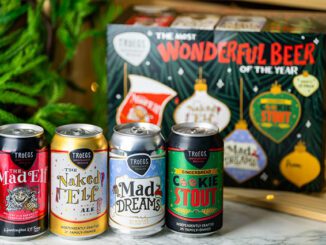
That has practical implications for breweries planning marketing campaigns. Label artwork, photography, website design and taproom aesthetics should all communicate the same emotional message. If a brewery wants to position itself as adventurous, approachable or premium, every visual touchpoint should reinforce that identity rather than compete with it.
Social media also provides another opportunity to rethink strategy.
Many breweries still treat digital platforms primarily as announcement boards for new releases or upcoming events. But if emotional responses drive engagement, you should consider shifting toward content that tells stories, introduces people behind the beer, celebrates customer experiences or documents meaningful moments inside the brewery. It means your beer becomes part of the story rather than the entire story.
Dr. Radavičienė notes that online purchasing environments amplify emotional decision-making because consumers make faster judgments with less deliberate analysis.
“Digital environments encourage rapid decision-making, which is why emotional responses often play an even greater role online than in traditional retail settings,” she wrote.
The research also highlights another opportunity breweries already understand well: community.
Craft beer has long benefited from local loyalty, clubs, mug memberships, festivals and taproom regulars. Neuromarketing suggests these efforts do more than generate repeat visits. They strengthen identity.
When customers feel connected to a brewery community, purchasing shifts from a transaction to an expression of belonging. That emotional attachment often proves more durable than temporary promotions or discount pricing.
That doesn’t mean your brewery should abandon promotions entirely. Limited releases and seasonal offerings can still create excitement, particularly when scarcity feels authentic rather than manufactured. But urgency works best when it reinforces an already meaningful relationship instead of trying to replace one.
It means that understanding psychology is not about manipulation. Dr. Radavičienė emphasizes that neuromarketing cannot convince consumers to buy products they fundamentally don’t want. Instead, it helps businesses understand how people naturally respond so companies can communicate more effectively.
READ MORE: Unique Marketing Strategies to Increase Consumer Participation
“Neuromarketing cannot force people to buy something they fundamentally do not want. Its purpose is to better understand human reactions rather than manipulate them,” she wrote.
That perspective aligns well with the values many breweries already embrace. Authenticity has always been one of craft beer’s competitive advantages. The challenge moving forward is translating that authenticity into intentional marketing. Rather than asking whether consumers understand every detail about a brewery’s process, owners may find greater success asking whether consumers remember how the brand made them feel.
As advertising noise continues to grow, breweries that create meaningful emotional connections instead of simply producing more promotional content may find themselves building stronger customer loyalty while spending marketing dollars more effectively.
“The future belongs to organisations that understand the emotional needs of their audiences and create genuine value rather than simply competing for attention,” Dr. Radavičienė said.