For many breweries, sustainability initiatives begin behind the scenes. They involve waste reduction, energy usage, water conservation and operational decisions that customers may never see. The challenge for brewery owners is often finding ways to connect those efforts to the community in a manner that builds awareness, engagement and long-term support.
For Dawn Kirchner of Full Circle Brewgarden, sustainability becomes more effective when it is viewed as a broader business strategy rather than a collection of environmental projects.
“When we’re thinking about sustainability as a whole, there’s a general definition that we tend to follow,” Kirchner said. “Part of that is looking at fulfilling our current needs, but also taking into account what future generations are going to need.”
That perspective has shaped how the Ohio brewery approaches sustainability through three interconnected pillars: environmental, social and economic sustainability.
Kirchner compares the relationship to a three-legged stool. Focusing too heavily on one area while neglecting the others creates instability. Environmental stewardship may be the most visible component, but she argues that community well-being and business viability are equally important.
“If we’re not doing well from a business perspective, it’s hard for us to take care of our staff, think about our community, and also make some of those decisions that have positive impacts within the broader environmental realm,” she said at the 2026 Ohio Craft Brewers Association’s annual seminars in late March.
That framework offers an important lesson for owners and managers in that sustainability initiatives often gain traction when they stop being viewed as expenses and instead become opportunities to strengthen community relationships while reinforcing business goals.
At Full Circle, Kirchner said many sustainability efforts are intentionally designed to engage the public. The brewery’s operational practices include composting on-site, partnering with a local farmer to repurpose spent grain and utilizing spent tea from its kombucha program in its half-acre garden. But Kirchner believes the greatest impact comes from bringing customers into the conversation.
“Community is a big thing for us,” she said.
Rather than relying solely on signage or marketing messages, the brewery has created recurring events that connect sustainability topics to experiences customers can participate in directly.
One example is a monthly native plant happy hour developed alongside a local landscaping partner. The event combines education, discussion and social interaction, creating an accessible entry point for customers who may be interested in conservation but aren’t necessarily seeking out formal environmental programming.
“We partner once a month, we read a book, do trivia questions, have really, really interesting and great discussions,” Kirchner said. “So it’s a really nice opportunity for people within the community to come learn a little bit more, and be around like-minded people.”
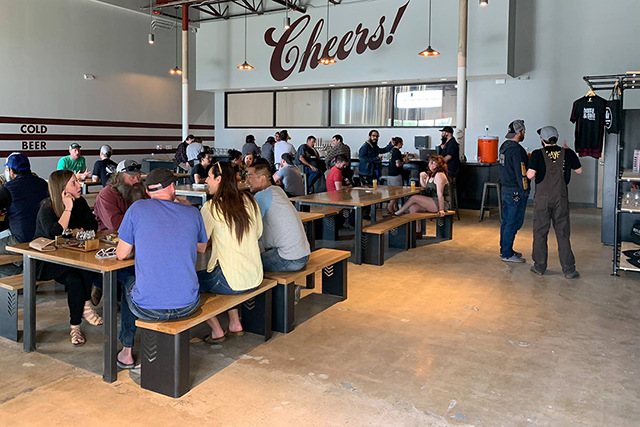
The model illustrates how breweries can use events to translate complex sustainability concepts into community experiences. Rather than asking customers to support a cause from a distance, the brewery creates opportunities for learning and participation that naturally occur within the taproom environment.
Education has become a recurring theme throughout Full Circle’s programming. Workshops focused on rain barrels, partnerships with conservation organizations and events centered on native plants all serve a dual purpose. They provide value to attendees while reinforcing the brewery’s role as a community gathering space.

For others looking to increase awareness of their sustainability efforts, that educational component can be particularly powerful. Customers who understand the reasons behind environmental initiatives are often more likely to support them.
The brewery also uses fundraising events to connect environmental stewardship with community impact. Programs supporting wildlife conservation, habitat restoration and environmental nonprofits help translate sustainability into causes customers can see and support.
One of the brewery’s most popular examples is its annual “Superb Owl” event held on Super Bowl Sunday. Working alongside a local raptor center, the brewery hosts live owl presentations while raising money for conservation efforts.
“We learn about owl conservation. We raise lots of funds for them,” Kirchner said.
It shows that sustainability programming does not have to feel like a lecture. By creating memorable experiences around environmental causes, breweries can attract new audiences while building stronger connections with existing customers.
That approach extends to events surrounding Arbor Day, Earth Day and native plant initiatives. Full Circle even grows trees and plants that can be distributed throughout the community.
READ MORE: Ways to Convey Sustainability Efforts to Consumers
Part of the strategy is making sustainability visible and tangible. Customers can see the results of the brewery’s efforts and participate in them directly, whether through workshops, fundraisers or hands-on conservation activities.
Sustainability efforts may be most effective when they move beyond operational improvements and become part of your brewery’s community identity. Environmental practices alone can reduce waste and improve efficiency, but pairing those efforts with educational programming, local partnerships and community events can create deeper engagement.