This is a part of a continuing series of Q&As with members of the brewing community from across the US. Brewer Magazine will share business and personal insights from Brewmasters, Head Brewers, Brewing Managers, Sales Directors, QCQA Managers and others each weekend to help you get to know each other better in the industry and learn more to better develop your own brand.
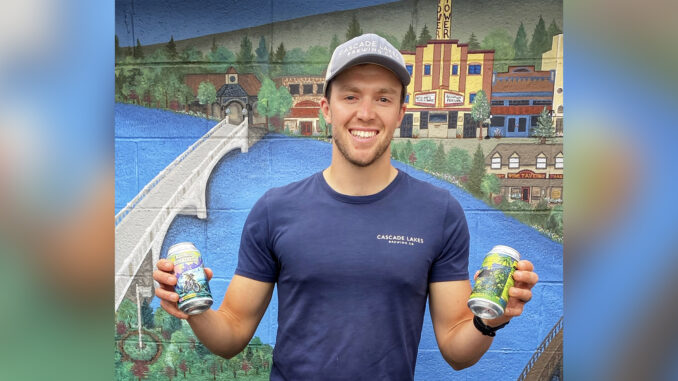
Andy Rhine, Owner, Cascade Lakes Brewing Co. — Redmond, Oregon
BREWER: Looking at the year ahead, what is one business-forward priority for your brewery, and why does it matter to your long-term success?
RHINE: One of our biggest priorities is continuing to diversify the business beyond traditional craft beer. Consumer habits are evolving quickly, and we want to make sure we’re building a company that can succeed long-term regardless of where beer trends go. That means focusing on operational efficiency, developing approachable products for a wider audience, and continuing to build Oregon Beverage Collective into a platform that can support multiple brands and beverage categories over time. Long-term success today is really about adaptability.
BREWER: What’s one business decision you made in the past year that had a meaningful impact (either operationally or financially) and what did you learn from it?
RHINE: One meaningful decision was taking a harder look at product mix and SKU rationalization. Like many breweries, we had accumulated too many slower-moving brands and seasonal offerings. Simplifying the lineup allowed us to improve production planning, reduce inventory complexity, and focus sales efforts behind the brands that truly resonate with consumers. The biggest lesson was that growth doesn’t always come from adding more.. sometimes it comes from focusing better.
BREWER: Where are you currently seeing the most opportunities for growth? Your taproom, through distribution, new events, new products, or something else? How are you approaching it?
RHINE: We’re seeing strong opportunities in approachable, value-oriented products and in creating experiences that bring people into our taprooms. Distribution remains important, but it’s become incredibly competitive and margin-sensitive. We believe breweries need to create both strong brands and strong destinations. On the product side, we’re looking at ways to appeal to a broader consumer base without losing authenticity. On the hospitality side, we’re investing in events, atmosphere, and community engagement because those are things consumers can’t get from a grocery store shelf.

BREWER: What operational or financial challenge is currently at your top of mind, and how are you working to address it?
RHINE: Like many breweries, rising costs and margin compression remain top of mind. Labor, ingredients, insurance, utilities, etc. Nearly every input cost has increased over the last few years, while consumers have become more price-conscious. We’re addressing that by becoming more disciplined operationally: improving forecasting, tightening inventory management, investing in efficiency, and making sure every SKU and every part of the business is contributing positively. We’re also spending more time evaluating where we can create sustainable recurring revenue versus chasing short-term volume.
BREWER: How has your approach to running a brewery evolved over the past few years, and what changes have proven most beneficial?
RHINE: A few years ago, the focus in craft beer was heavily centered on growth at all costs — more tanks, more distribution, more SKUs. Our approach today is much more balanced and business-oriented. We still care deeply about innovation and quality, but we place a much greater emphasis on profitability, operational discipline, culture, and long-term sustainability. One of the most beneficial changes has been becoming more data-driven in decision-making while still staying connected to what makes craft beer special: community, hospitality, and authenticity.
BREWER: What industry shift are you paying closest attention to right now, and how might it influence your brewery’s decisions moving forward?
RHINE: The biggest shift we’re watching is the continued fragmentation of consumer preferences. Beer is no longer competing only against beer. It’s competing against cocktails, seltzers, non-alcoholic beverages, cannabis alternatives, and countless entertainment options. Consumers also want more flexibility: different price points, lower ABV options, and more approachable flavor profiles. That shift is pushing breweries to think more like beverage companies rather than strictly beer companies. Moving forward, I think the breweries that succeed will be the ones that stay operationally strong while remaining flexible enough to evolve with the consumer.