Small cideries looking to build demand for orchard-driven ciders face a familiar challenge: how to communicate the environmental value of traditional orchards without overwhelming customers or turning the message into abstract sustainability talk. For many cidermakers, the most effective education happens not through formal instruction, but through experience, transparency, and repeated human connection.
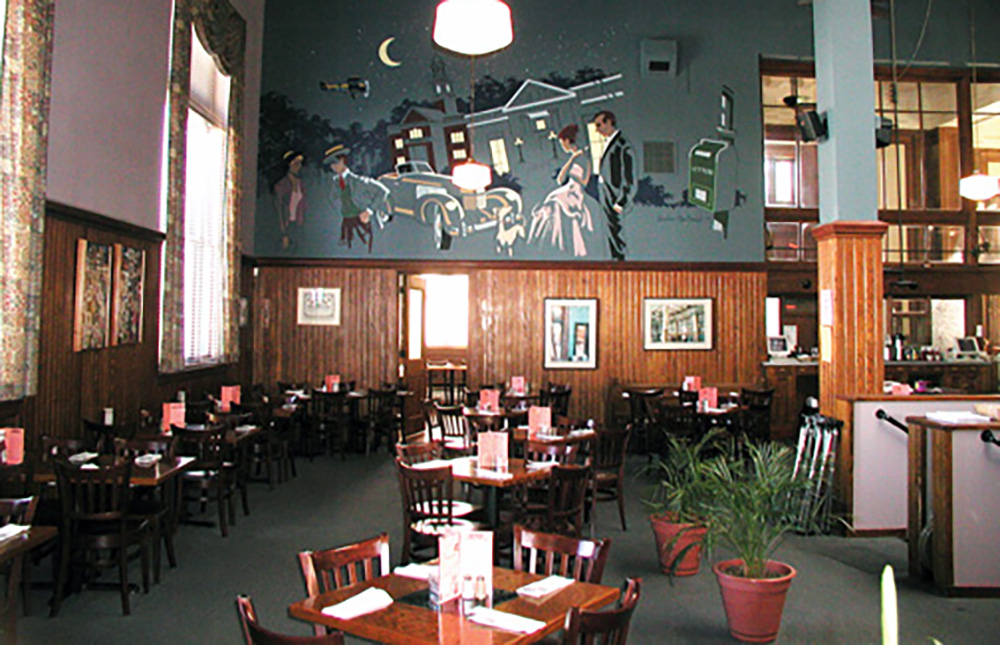
At Seminary Hill Catskills in Callicoon, New York, co-owner Doug Doetsch sees education as something that unfolds gradually when guests are invited into the reality of orchard-based cider. Year-round tours and tastings allow visitors to sample cider apples, see production firsthand, and understand how agricultural decisions shape what’s in the glass.
While Seminary Hill benefits from an on-site restaurant and hotel, Doetsch stresses that the core principle applies broadly.
“Even without these components, small cideries can focus on what makes their experience unique to attract customers interested in learning more about orchard-driven cider,” he said.
That openness extends beyond the tasting room. Doetsch said Seminary Hill regularly shares both wins and setbacks with its audience, from the long-anticipated release of its first perry to the late-spring frost in 2023 that devastated apple blossoms across New York State.
“Putting names and faces to the brand and sharing their triumphs and mishaps goes a long way,” he said.
For customers, he points to those updates which quietly reinforce how vulnerable orchards are, and why supporting orchard-based cider matters.
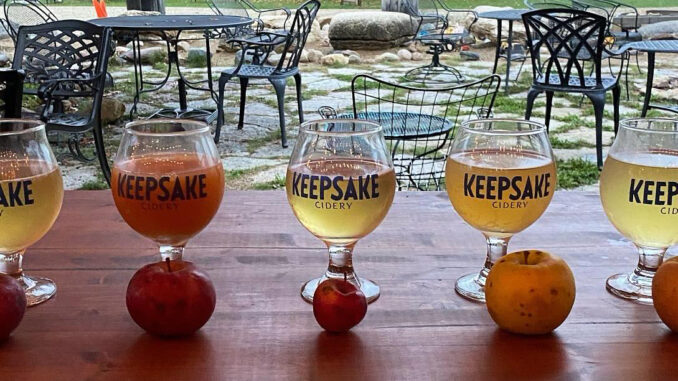
Others believe the product itself is the most persuasive argument. Nate Watters of Keepsake Cidery sees little separation between quality and education.
“There is no better way to educate the customer about the importance of sustainable orchards than a glass of well made, proper cider and a stroll through the beautiful trees,” he said. The implication is that environmental messaging loses credibility if it isn’t backed by exceptional cider.
Off-site, face-to-face conversations can be just as impactful. Jeremy Hall, co-founder and perry maker for Blossom Barn Cidery, relies heavily on farmers’ markets and local events to tell their orchard story. He said those settings invite longer, more personal conversations with customers who are already receptive to local agriculture. Blossom Barn sources pears from orchards within 25 miles and juices all of them on-site, a detail that resonates strongly in Oregon’s Rogue Valley.
Hall said many customers over 40 also share personal memories of growing up around pear orchards, from harvest work to riding horses through the trees. Those stories reinforce pears as a regional heritage crop and give customers a sense of ownership in keeping orchards economically viable.

“Having a product that keeps orchards economically viable so that they remain standing and well cared for is a huge selling point for direct-to-consumer sales,” he said.
At Finnriver in Washington, co-owner and cidermaker Andrew Byers believes clarity is essential when talking about “traditional” orchards. He cautioned that consumers often conflate sustainable orchard practices with industrial systems built around high-density plantings and monocrops.
“It’s important to distinguish between industrial orchard practices and truly sustainable farming methods,” Byers said, noting that small cideries should be explicit about which traditions they represent.
Finnriver uses third-party certifications as shorthand for that distinction. Byers said B Corporation status, Salmon Safe certification, and organic ingredients give customers recognizable benchmarks without requiring technical explanations. Those credentials are reinforced through consistent storytelling across sales conversations, tours, and on-site displays that explain how farming practices connect to ecological outcomes.
Ultimately, Byers said the goal is to help customers see their purchasing decision as a form of participation.
READ MORE: Making Strategic Decisions Based on Data
“The most effective customer education creates deeper engagement beyond the product itself,” he said. “By connecting environmental stewardship to human stories — the farmers, the land, the community impact — small cideries can help customers understand their purchasing power as environmental action.”
The need for consistency, authenticity, and a willingness to let customers see both the beauty and fragility of orchard-based cider can be keys to success.
Quick takeaways:
- Invite your customers into the process through tours, tastings, or behind-the-scenes storytelling to make orchard realities tangible.
- Share challenges alongside successes to demonstrate the environmental risks orchards face and why support matters.
- Let your product quality lead the message; well-made cider reinforces claims about sustainable farming.
- Use farmers’ markets and events for longer, personal conversations that connect cider to local agricultural heritage.
- Be specific about what “traditional” means and how it differs from industrial orchard systems.
- Leverage credible certifications as simple, recognizable signals of environmental commitment.
- Train your staff to connect orchard practices to human stories so customers see their purchase as an act of preservation, not just consumption.