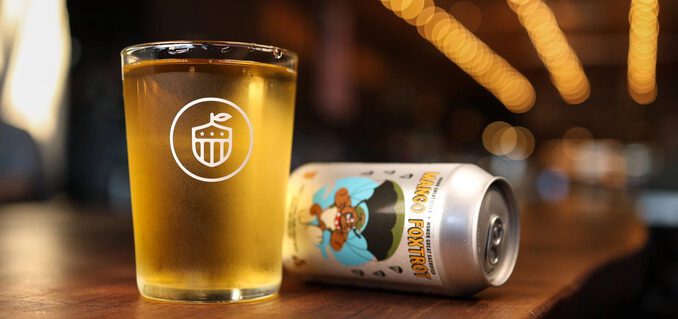
Cider Corps‘ Mango Foxtrot has become the kind of core product many cideries want but few can build: a cider that continues to sell consistently while also serving as an introduction to the category for people who may have little experience with cider.
The Mesa, Ariz., cidery’s mango and rose hip cider has been a USA Today 10Best Cider finalist since the category’s inception in 2023, finishing No. 3 in 2023 and 2024, No. 2 in 2025 and No. 4 this year. Cider Corps as a total company also was ranked No. 5 on the 2026 10Best Cidery list.
But the more useful lesson for other cideries isn’t necessarily the national recognition. It’s how the product got there and what the Duren brothers have learned from having a reliable seller in an industry where consumers can be quick to move on to the next flavor.
Mango Foxtrot was one of Cider Corps’ original core styles. Co-owner and cidermaker Jason Duren and his brother, Josh, were looking for ways to bring something different to the Arizona cider market while avoiding a product that was simply dominated by a fruit flavor. The result was a balance between mango and rose hips that gave the cider a tropical fruit character while retaining a botanical component.
That distinction has helped the product occupy an interesting position for Cider Corps. It can be approachable enough for someone new to craft cider without reducing the cider to simply a flavored alcoholic beverage.
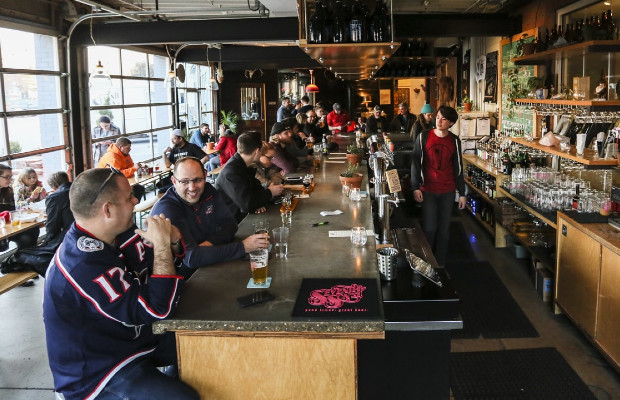
The company hasn’t built its marketing strategy around Mango Foxtrot, either. Yet it has remained one of the cidery’s strongest sellers in both distribution and at its taproom.
“To me, with how much we rotate through flavors in the taproom, to have a cider that is consistently 1 or 2 every week … that’s pretty unique,” Josh Duren said.
That consistency matters because a core product has a job beyond generating sales. It can give customers something recognizable to return to while allowing a cidery to experiment elsewhere in its portfolio. Cider Corps has seen that dynamic with American Apple Pie, another product that eventually moved from a limited-time offering into the core lineup after starting as a July 4 special. Duren said it has been the one cider to consistently push Mango Foxtrot out of the top-selling position.
It shows that innovation doesn’t necessarily mean constantly replacing what works. Cideries can use seasonal or experimental releases to discover what resonates, then give successful concepts a more permanent role when the sales data supports it.
For Cider Corps, Mango Foxtrot’s longevity also has helped demonstrate that a product can become an entry point into the category rather than simply an individual flavor choice. The cidery continues to encounter customers who have never tried cider, or who haven’t had one in years. That means Cider Corps isn’t always competing for customers who already understand the category. It’s also trying to make cider relevant to people encountering the product for the first time.
“The growth has been truly organic,” Duren said. “We’ve never had significant marketing dollars, never had an opportunity to fast track.”
Instead, he said, more customers have found the taproom through friends, family and social media.

“Nine years in we still meet people who are just now discovering what we do,” Duren said.
Of course, recognition can create a spike in awareness, but a business still needs a product and customer experience capable of converting that awareness into repeat business. Cider Corps’ experience shows how a strong core product like Mango Foxtrot can have value beyond its direct sales.
The complexity of the cidery’s products has helped it build credibility with Arizona’s craft beer community, which has led to collaborations with local breweries. The relationships aren’t simply about putting two logos on a package. They can provide another way for a cidery to demonstrate its capabilities to an adjacent segment of the beverage industry.
“Even though our ciders are easy to drink, the complexity of the flavor profiles earned a lot of respect in craft beer community,” Josh Duren said. “They recognized that it was more than just fermenting apples. That earned respect opened up chances to collaborate.”
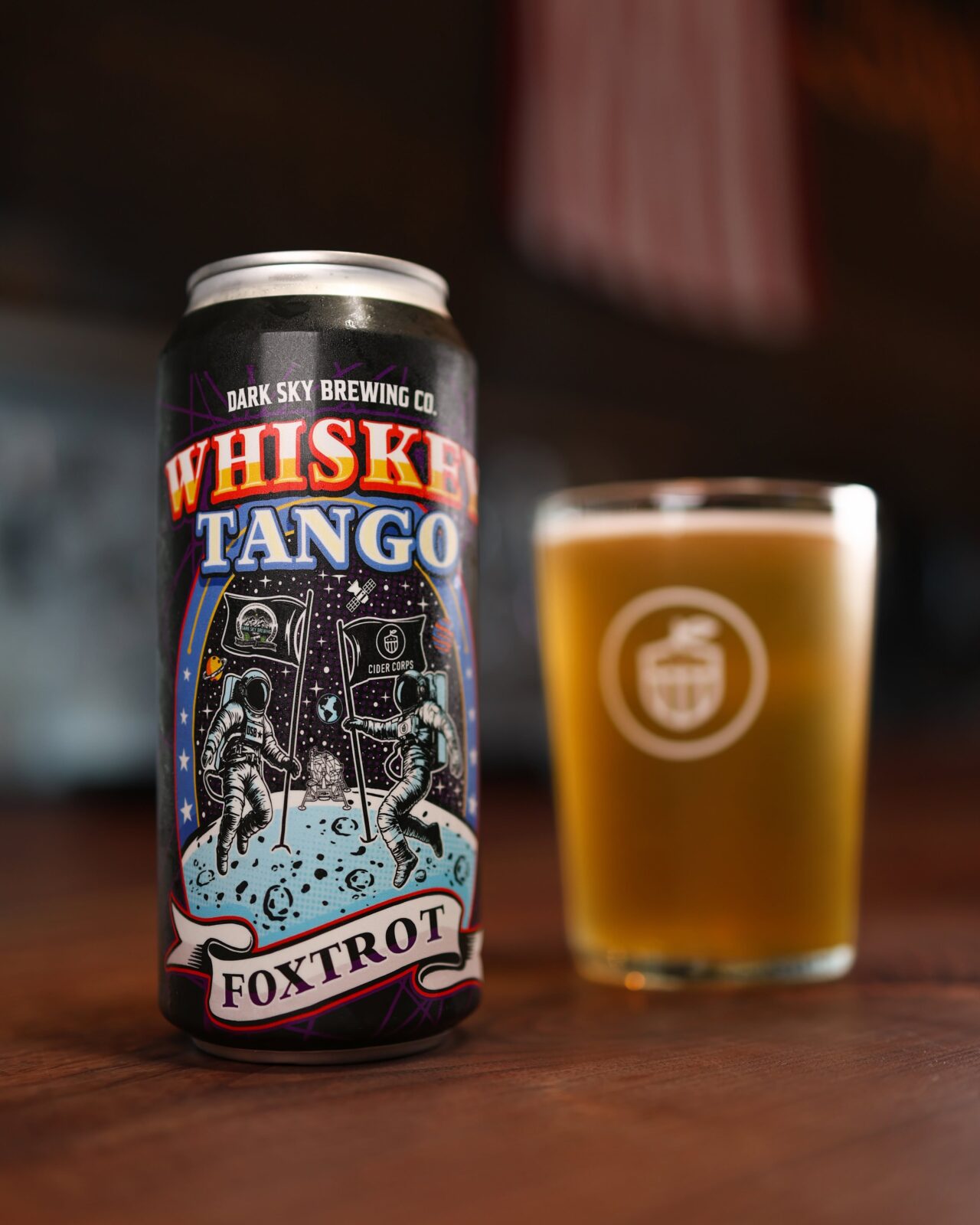
One example was a collaboration with Dark Sky Brewing in Flagstaff that used the brewery’s session Lager with Cider Corps’ mango and rose hip blend to create Whiskey Tango Foxtrot, a fruited Lager.
The collaboration gives an example that cider doesn’t have to stay confined to the cider category. If a cidery can establish credibility for its ingredients, fermentation and flavor development, those capabilities can become an asset when working with breweries and other beverage producers.
READ MORE: How This New Adjunct is Boosting a New Sales Avenue for Minneapolis Cider
Cider Corps’ growth hasn’t followed a traditional rapid-expansion model. Duren said the tipping point hasn’t been a particular award, campaign or major marketing push. It’s been time. That has allowed the business to build recognition gradually, with national awards and rankings adding credibility to a brand that was already developing through customer discovery.
The USA Today recognition can be particularly useful during peak tourist periods in Mesa, where proximity to Major League Baseball spring training facilities creates an influx of visitors looking for things to do. A national ranking gives those potential customers another reason to put a taproom on their list.
But the award works more as a discovery tool than a substitute for a marketing strategy. Mango Foxtrot’s continued performance provides the foundation for that approach. It’s familiar enough to remain a dependable seller, different enough to give customers a reason to try it, and versatile enough to create opportunities beyond the taproom.