Most brewery owners focus on getting people through the door. Fewer focus on what quietly prevents those customers from coming back.
Often, it’s not the beer itself. Instead, it’s the small operational details that shape the taproom experience. Poor service, dirty glassware, confusing menus, or a disconnected staff can turn a first-time visit into a one-time visit.
A recent consumer-facing article from Tasting Table highlighted several “red flags” guests notice immediately, including inattentive staff, dirty spaces, too many tap lines, poor food options, dirty glassware, and even off-putting beer names. Those issues reflect something bigger: operational discipline. It shows that customers notice more than you think.
Here are seven red flags that quietly hurt retention, and how to fix them right now.
1. Staff Who Can’t Explain the Beer
Customers don’t expect every bartender to be a Cicerone. They do expect confidence.
If staff can’t explain beer styles, answer basic questions, or guide guests toward the right pour, trust drops fast. One of the most repeated complaints from beer drinkers is simple: “bartender not knowing their products.”
Train your staff on:
- flagship beers
- seasonal offerings
- common tasting notes
- simple recommendation language
Beer knowledge improves both guest confidence and average ticket size.
2. Dirty Glassware Signals Bigger Problems
Customers may not understand beer line maintenance, but they notice dirty glassware.
Fast-dissipating foam, bubbles clinging to the glass, fingerprints, or cloudy residue all create doubt. Nick Meyer of Eckhart Beer Co. specifically pointed to dirty glasses as one of the biggest brewery warning signs. Clean glassware is not a cosmetic choice, it signals professionalism and quality control standards.
3. Too Many Tap Lines Can Hurt Trust
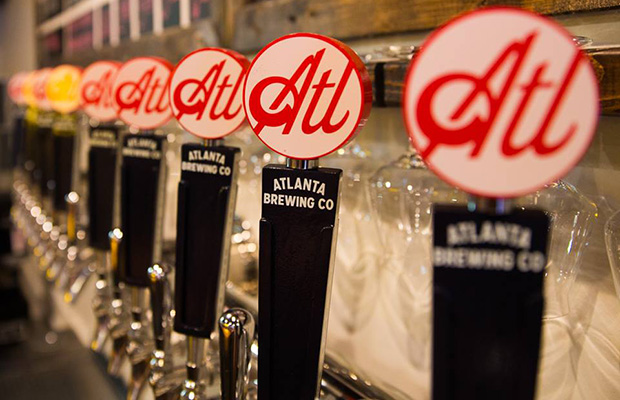
More taps don’t always mean a better experience. If guests see 25-plus beers, some guests could start asking: “How old is this beer?”
Too many slow-moving lines can create freshness concerns and maintenance issues. Even professionals in the industry should question how long the oldest beer has been sitting when you see an oversized tap list.
- A tighter, stronger draft list often performs better than endless variety.
- Depth beats clutter.

4. No Food Strategy = Shorter Visits
Customers stay longer (and spend more) when food is involved. That doesn’t require a full kitchen, but it does require a plan:
- food trucks
- local delivery partnerships
- BYO food policies
- simple in-house snacks
Breweries without food options — or even just the ability to bring food in — create friction for longer visits.
- A food strategy is a revenue strategy.
- It increases dwell time and lowers customer friction.
5. Messy Spaces Create Instant Doubt
Sticky tables, cluttered bars, and visible back-of-house disorder tell customers something important: “If the front looks like this, what does the beer side look like?” Cleanliness is one of the strongest subconscious trust signals in hospitality.
- Organization is branding.
- Customers associate physical order with product quality.
6. Your Beer Names Can Hurt Your Brand
Craft beer naming has always leaned playful, but “off-color” names can create the wrong kind of attention. Consumers increasingly associate offensive or immature naming with poor brand judgment. A beer name should make someone curious, not uncomfortable and brand trust matters more than shock value.
7. No Clear Flagship Beer
Reddit discussions around brewery quality often point to one consistent green flag: A brewery should have at least one beer it has truly mastered. A reliable flagship signals confidence, consistency, and brewing discipline. Before launching five new limited releases, make sure your core beer is unforgettable. Consistency builds loyalty.
Final Thoughts
Most customers won’t tell you why they didn’t come back, they’ll just disappear. That’s why the best breweries that pay attention to the quiet signals: clean glasses, strong staff training, smart tap lists, and a customer experience that feels intentional.
Retention problems are often blamed on competition, pricing, or market conditions. More often, they start with preventable red flags inside the taproom. The breweries that win long-term aren’t just making better beer. They’re removing reasons for customers to leave.
READ MORE: What These Breweries Would Have Done Different to Open Their Taprooms